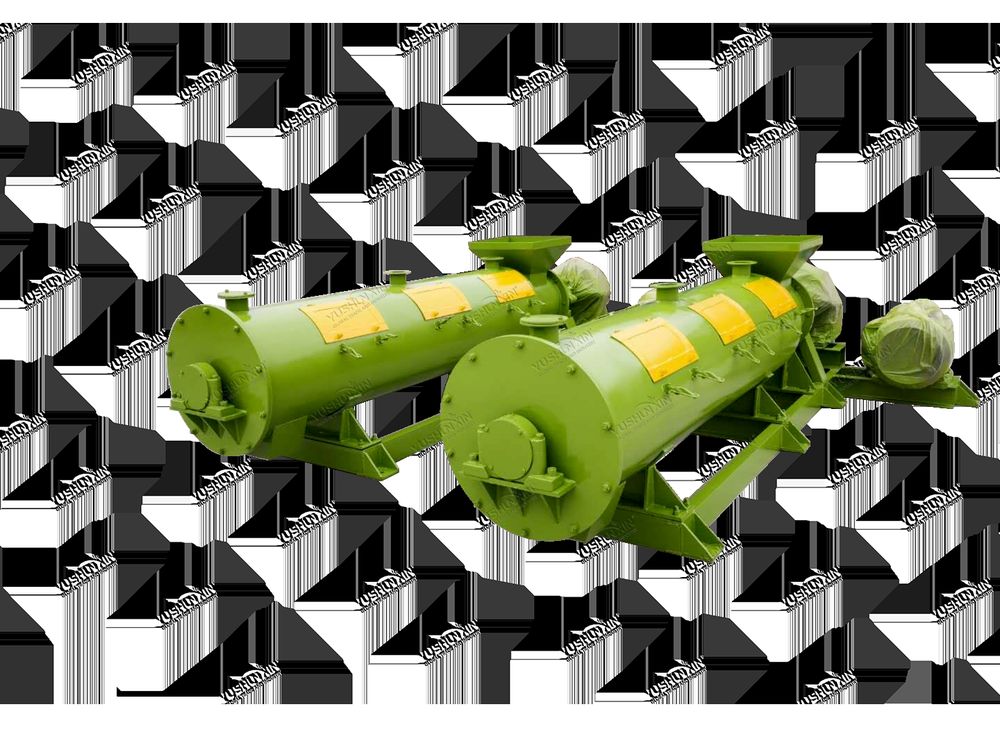
The granulator is the machine that decides your product's appearance, strength and production cost. Choosing it starts with three facts about your material: moisture content, fiber content and whether drying is acceptable.
High-moisture organic compost (25 - 30%) suits a stirring-tooth granulator, which forms granules without binder or pre-drying. Dry powders with low moisture suit roller extrusion, which needs no dryer at all. Mid-range and flexible materials are well served by pan granulators — the simplest, lowest-cost route for organic fertilizer.
Rotary drum granulators only become the best choice at higher capacities (above 3 - 5 t/h) or for NPK chemical granulation where steam and ammonia are used. Below that, the investment is hard to justify.
Granule size and shape matter too: pan and drum produce round granules, rollers produce dense oval shapes. Buyers targeting premium retail markets usually prefer round granules.
The safest way to choose is a material test. Most serious suppliers — including Shunxin — can run a small-scale test to confirm balling rate and granule quality before you invest. Send a sample description and your capacity target, and you will receive a recommendation with the reasoning.